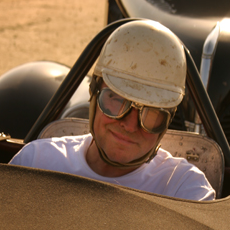
How To Build a Classic AA/Fuel Altered
By Nick Davies & Tony ThackerPresented by FirstUpApparel.com & MicksPaint.comWhat constitutes a ‘fuel altered’? That is a debate that will go round and round in circles depending on who is involved. From the ‘early days’ in the 50’s to a modern day interpretation where someone puts an altered body on a big-show funny car chassis and the front and rear wings from a Top Fuel dragster, they are all altereds, ok?
The early days saw racers fitting the smallest (often European) bodies because of their minimal weight and the most powerful engines into their race cars. Bantams, Topolinos and Model T’s were cheap and ideal. Progress, however, is inevitable and the short, over-powered, tire-smoking freak show of the fifties and sixties evolved as tire technology, race tracks, clutch development and the understanding of drag race physics progressed. Cars got longer, lower, more aerodynamic and faster.
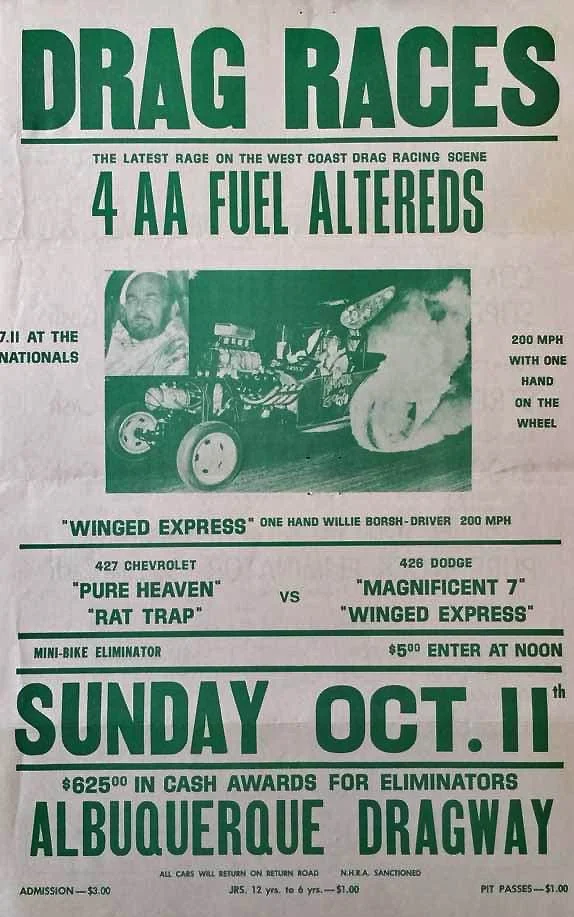
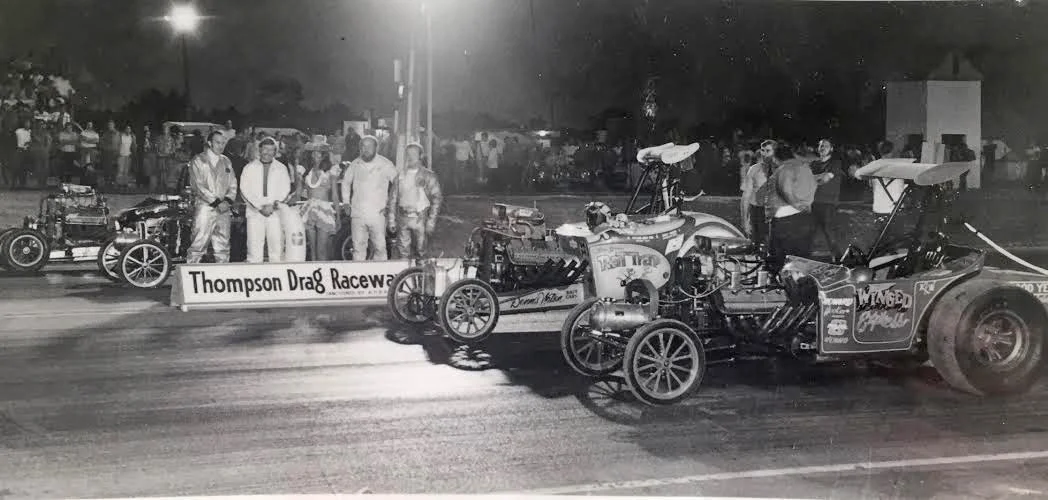
The infamous Fuel Altered tours of the early 70’s included such cars as Magnificent 7, Pure Heaven, Rat Trap and Winged Express.
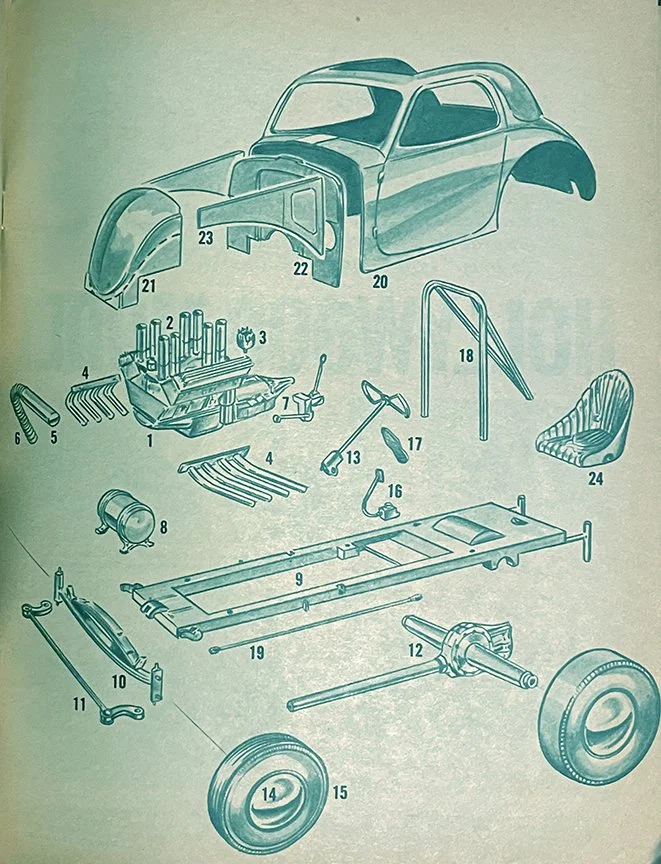
A simple illustration by Bill Moore but it nevertheless shows the basics of fuel altered construction.
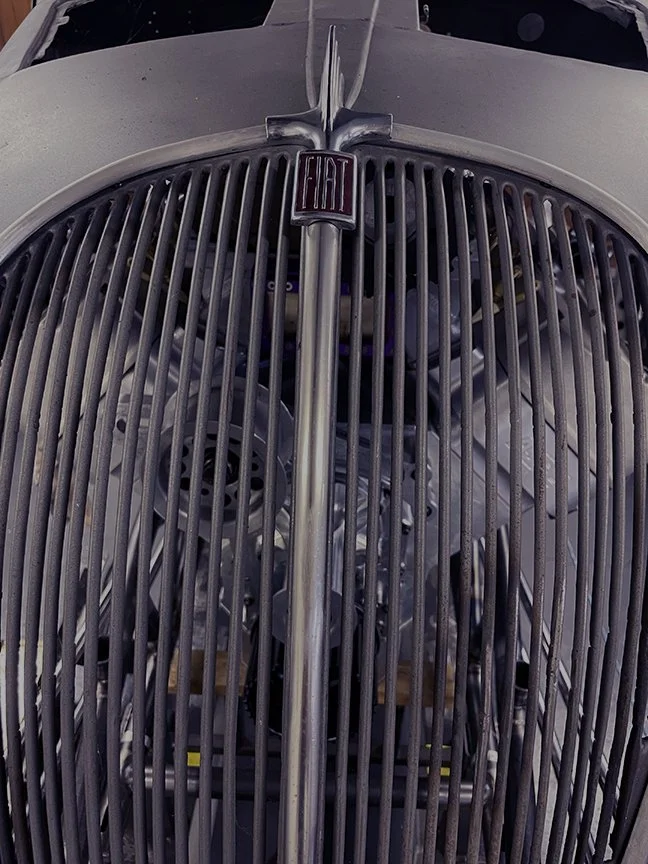
The rulebook from the late sixties mandated a maximum engine set-back from the forewardmost spark plug of 25-percent. This is the era of heroes and ‘caricature’ race cars I fell in love with in the sixties. Pure Hell, Pure Heaven, Nanook, Rat Trap, Magnificent Seven, Winged Express, Bradfords Fiat and all the rest. As a young lad looking through copies of Hot Rod magazine, I was captivated by drag racing in general and the fuel altereds in particular. The fascination never went away.
The turn of the millennium saw my racing partner, Rob Loaring, and I seeking a new challenge after a pretty successful spell of pro mod racing. We both loved altereds, but from different eras. Whilst I was locked into the sixties, Rob was more interested in the seventies, so we came up with a design that would try and balance the two. We initially finished the well-travelled ‘Havoc’ Bantam altered in 2005. It evolved to ultimately run 5.98 in the quarter mile at nearly 240mph in 2024, the first European altered of any style to break into the magical five-second bracket, but it was always a compromise between the two of us. The car was fantastic and achieved so much more than we had originally hoped, but my ‘itch’ hadn’t really been scratched so I started collecting parts to build another car some 15 years ago.
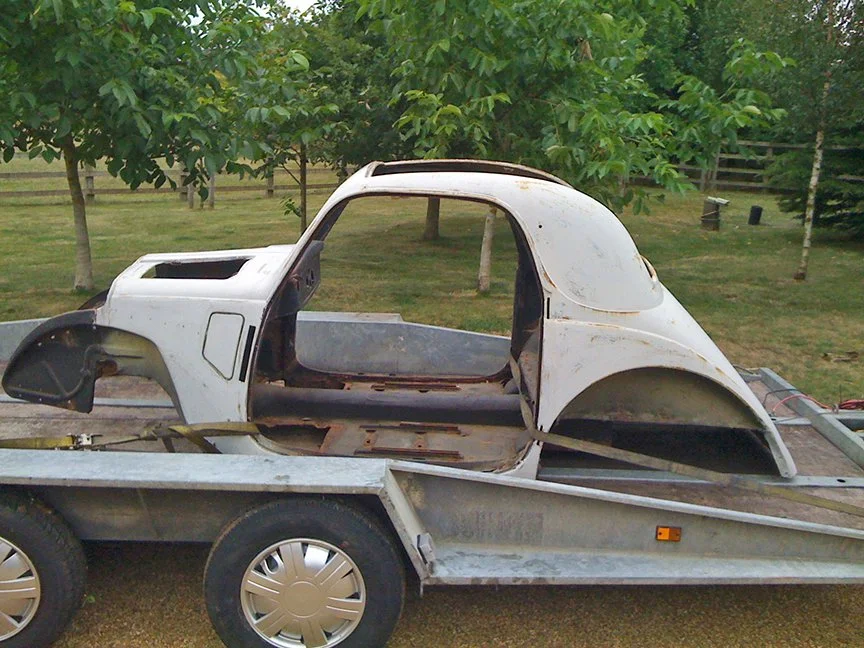
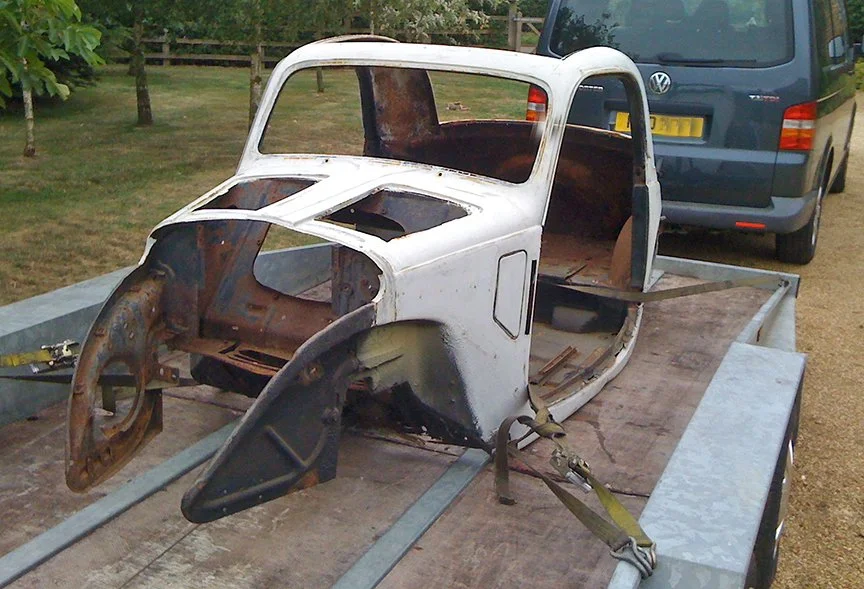
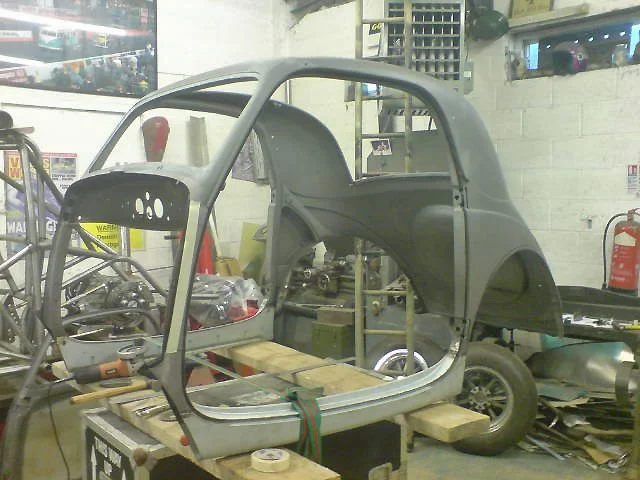
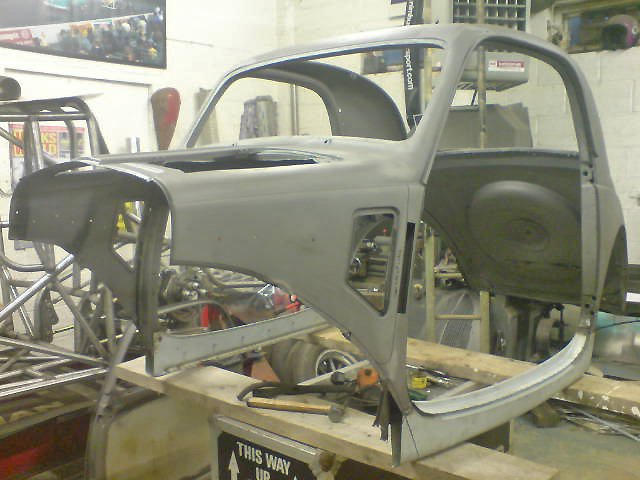
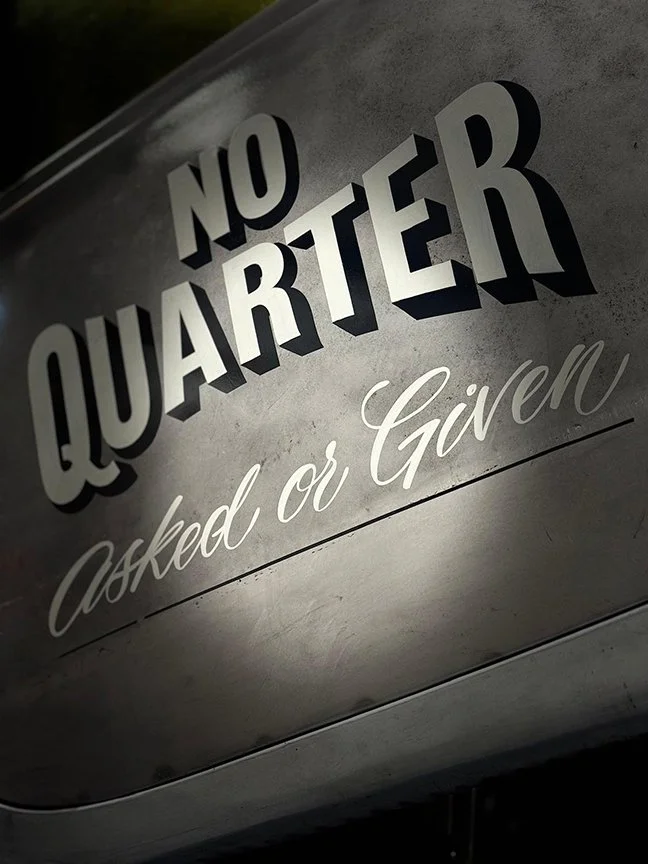
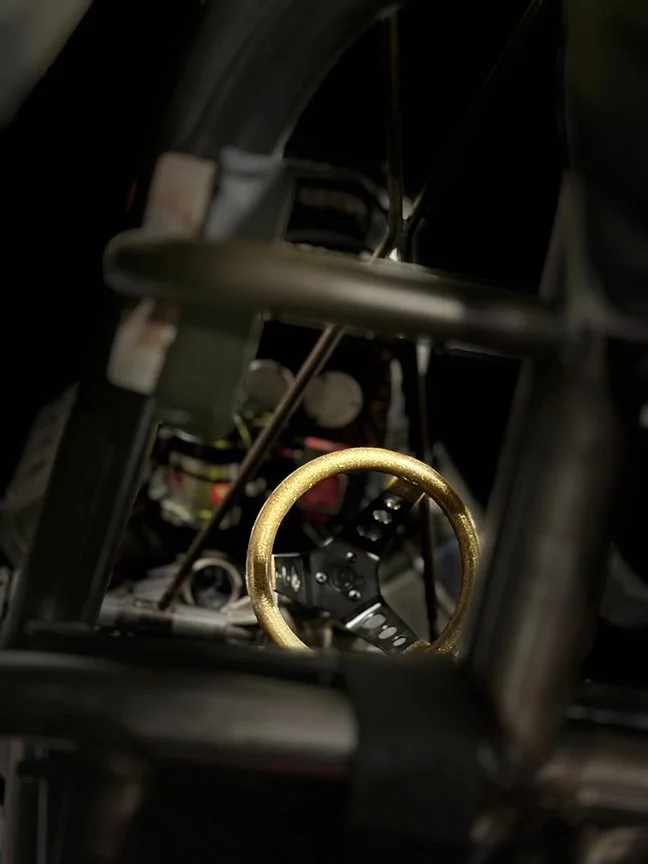
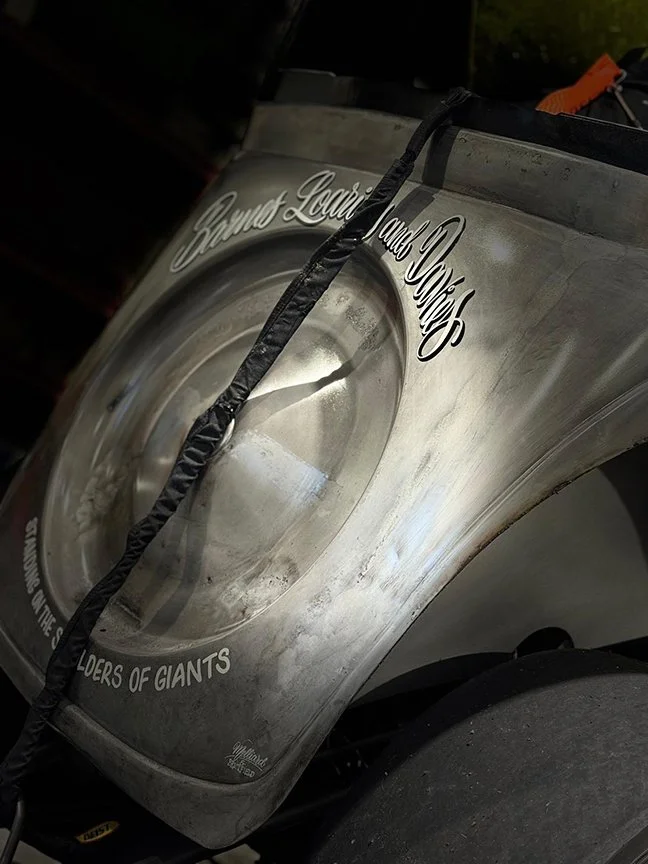
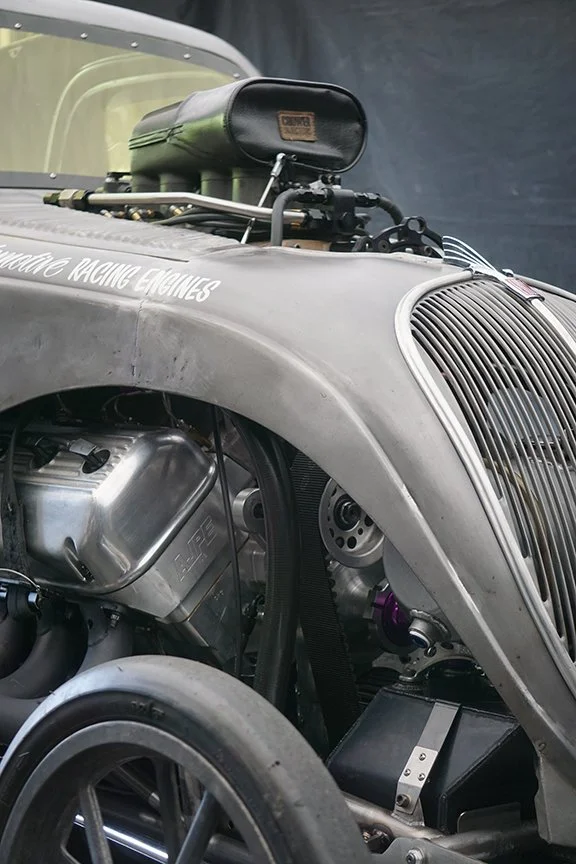
An original steel body from the 1930s; wheels, injector, steering from the 1960s helped realise the vision which hasn’t changed since Day 1 - an achievement in itself with a longer term project. Although capable, we are not chassis builders by trade, and each having a full-time job, the project took a few years to complete. We are all happy with the end result and the refusal to compromise, whilst causing issues, has paid off to us. It has been built entirely in-house by the team of (Scott) Barnes, Loaring and Davies with invaluable help from metal-working genius Wayne Allman and signwritten by Neil Melliard.
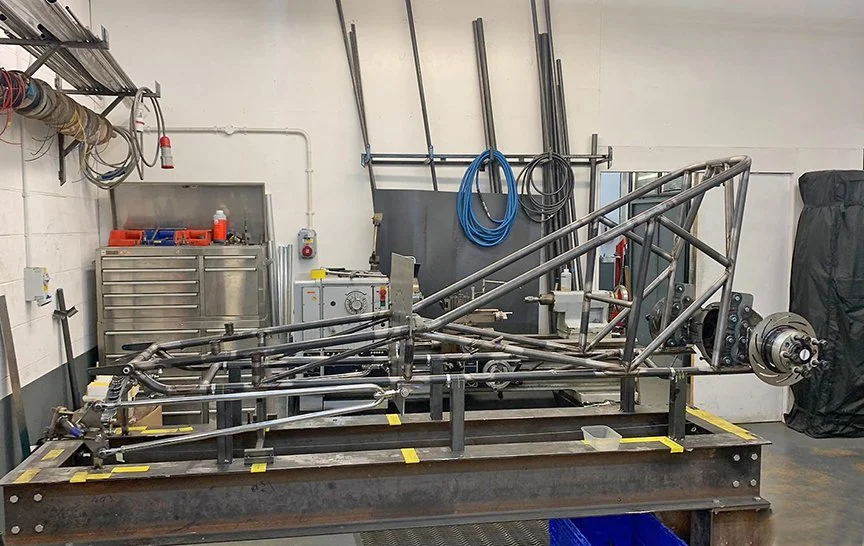
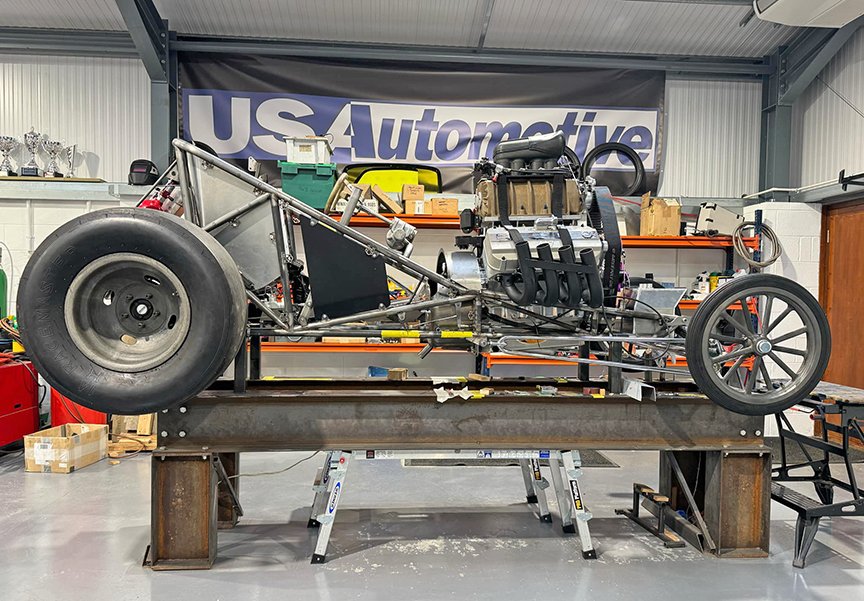
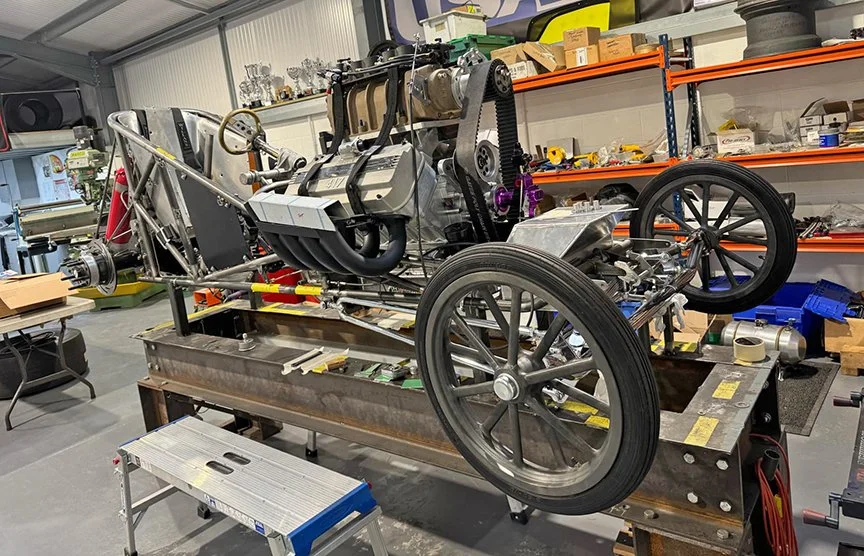
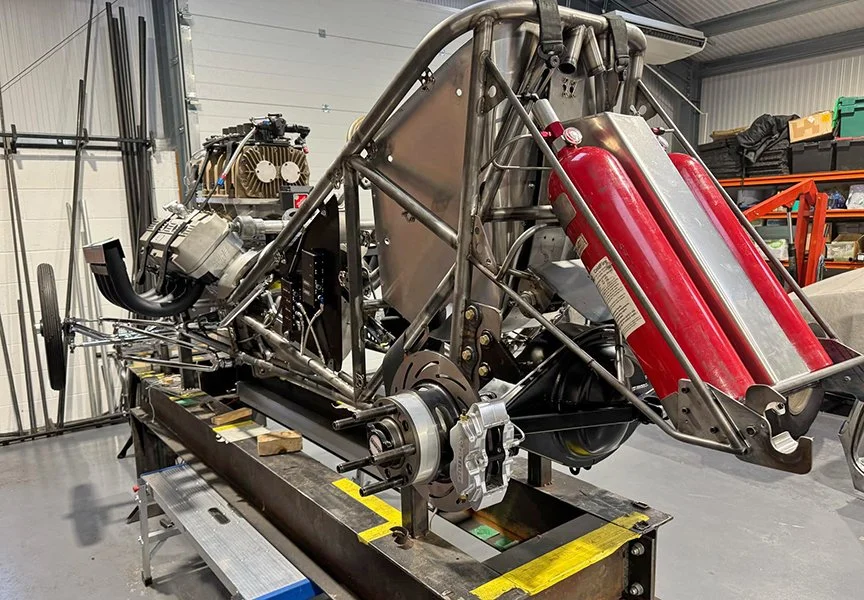
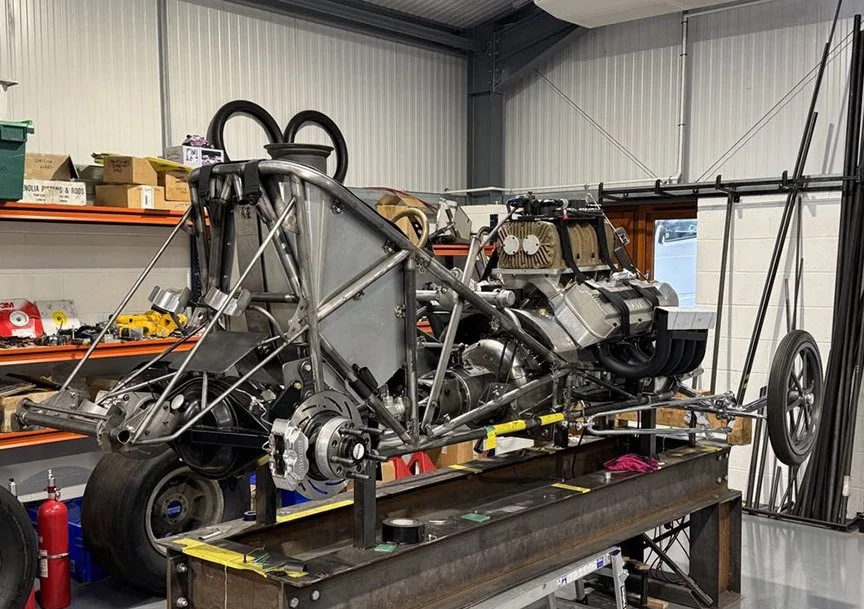
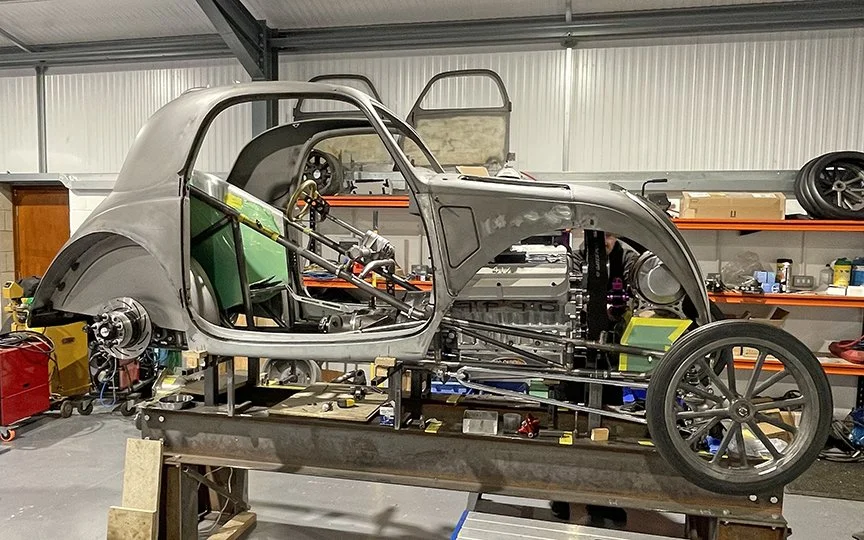
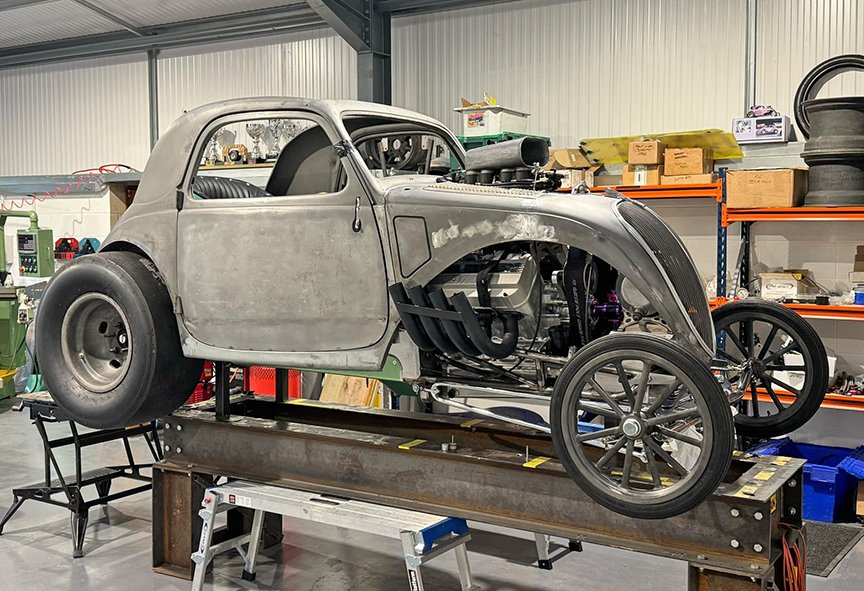
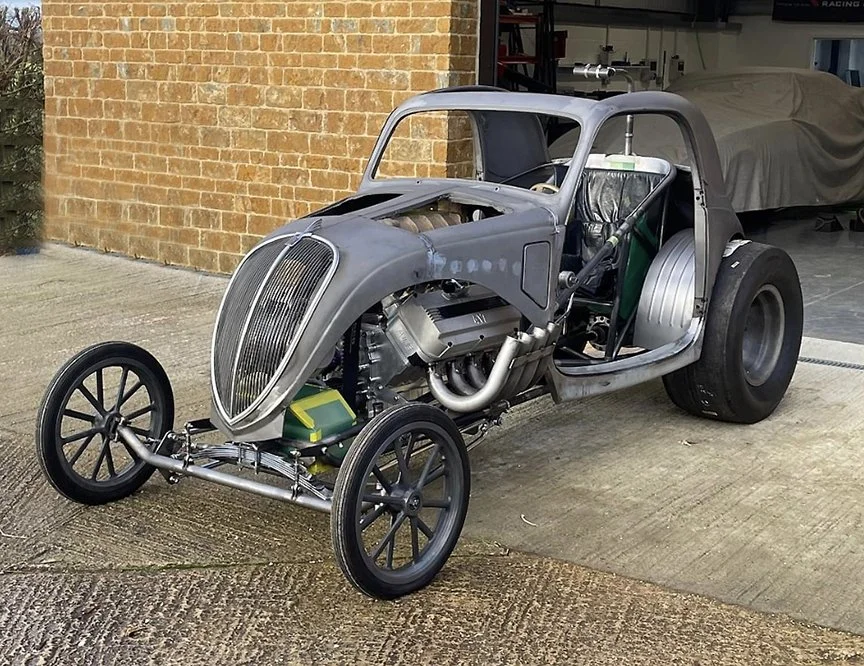
News of the build, in conjunction with the popularity of the ‘Havoc’ Bantam, generated unsolicited interest from a number of older-generation racers, looking for something to do outside of the mainstream of championship drag racing. The appeal of relatively affordable, fun, nitro-powered race cars encouraged the formulation of a set of guidelines to which anyone with real interest could adhere. Maximum wheelbase and engine setback, minimum crankshaft centerline, wheelie bar length and nitro percentage, weight per cubic inch limitations and no aero aids were agreed on and the ‘Old School Classic Altered Racers’ group was born. OSCARS for short!
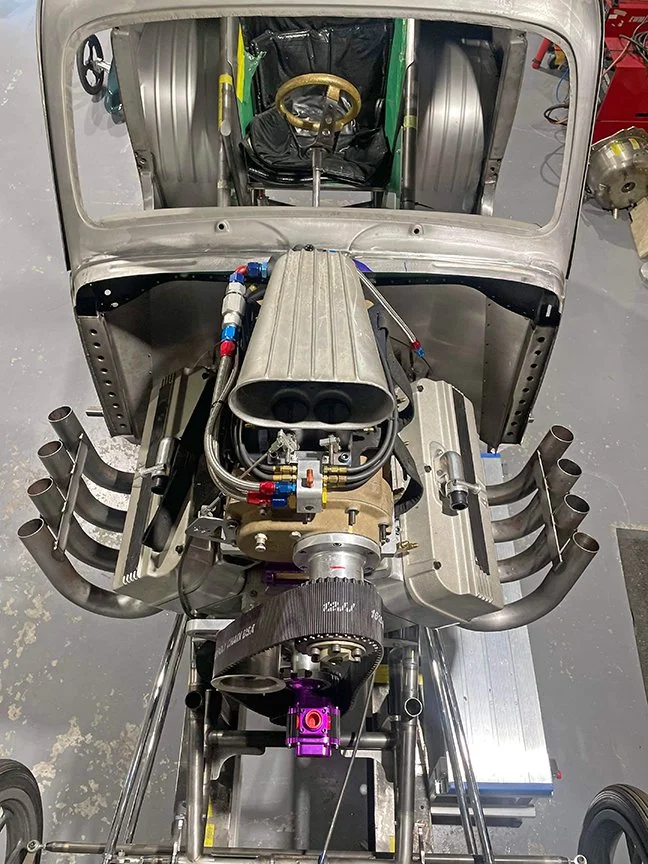
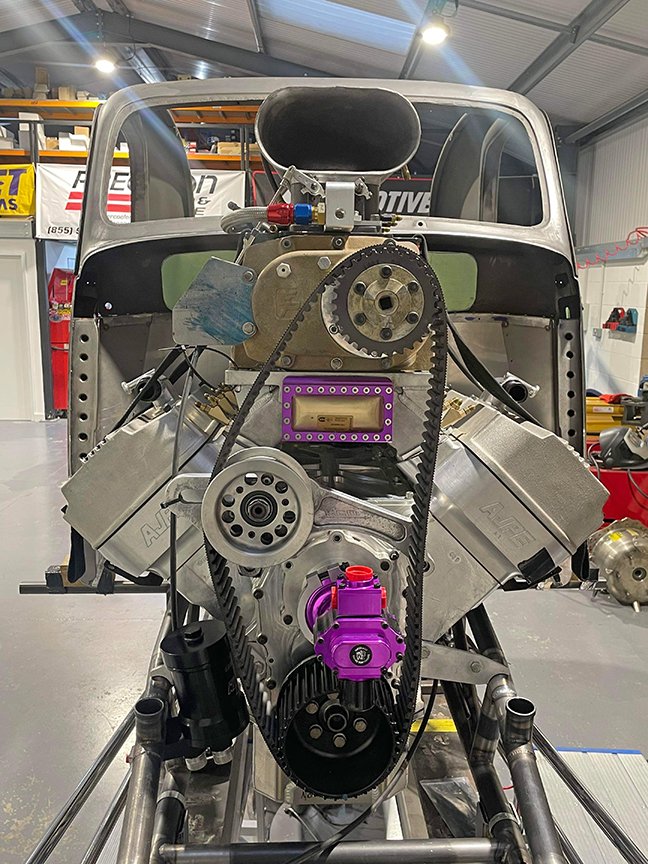
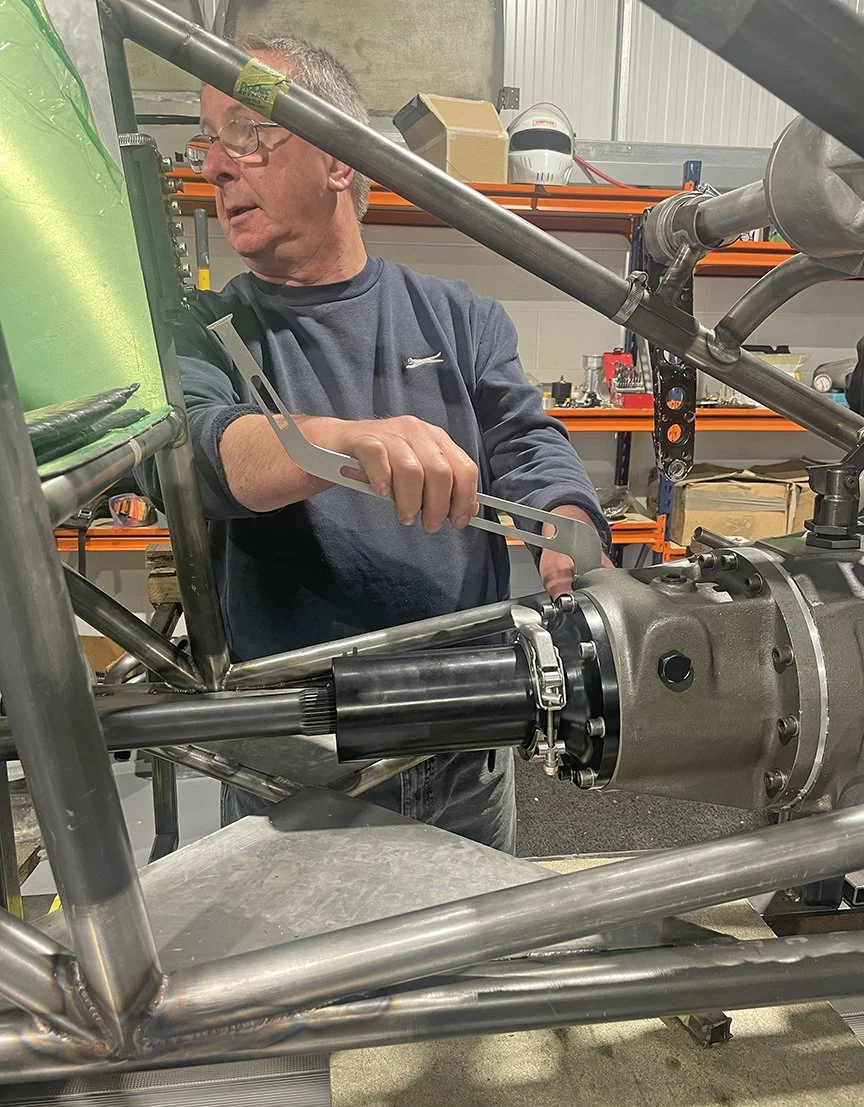
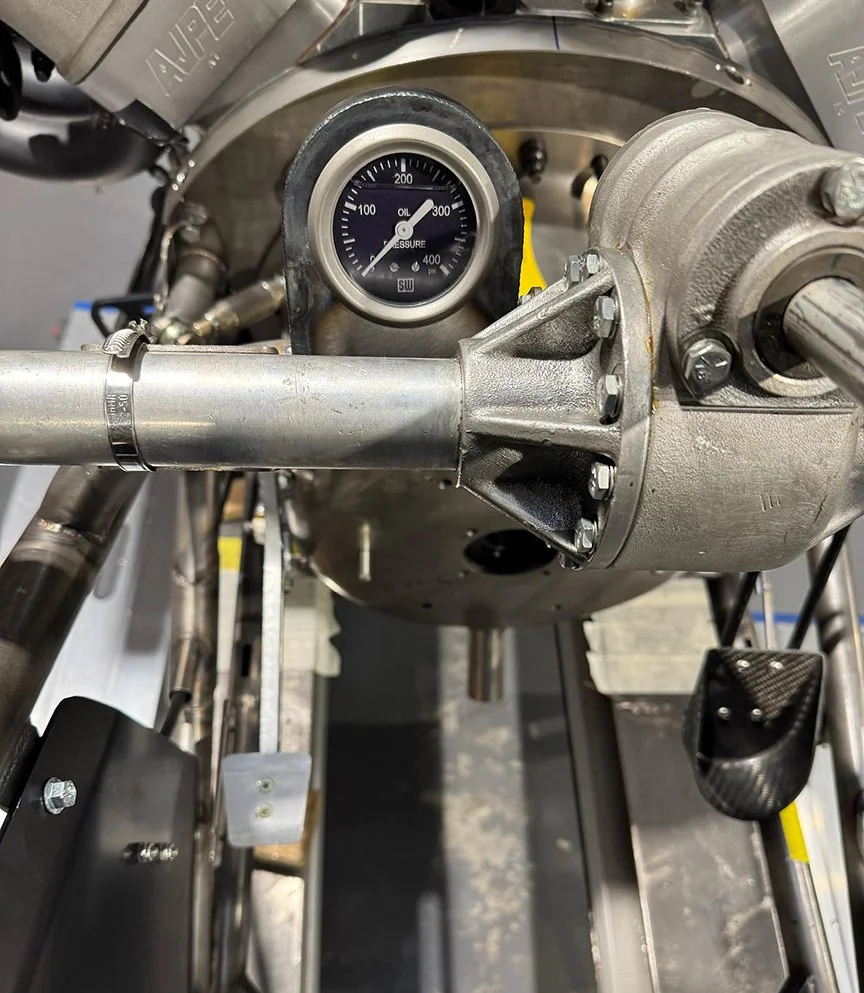
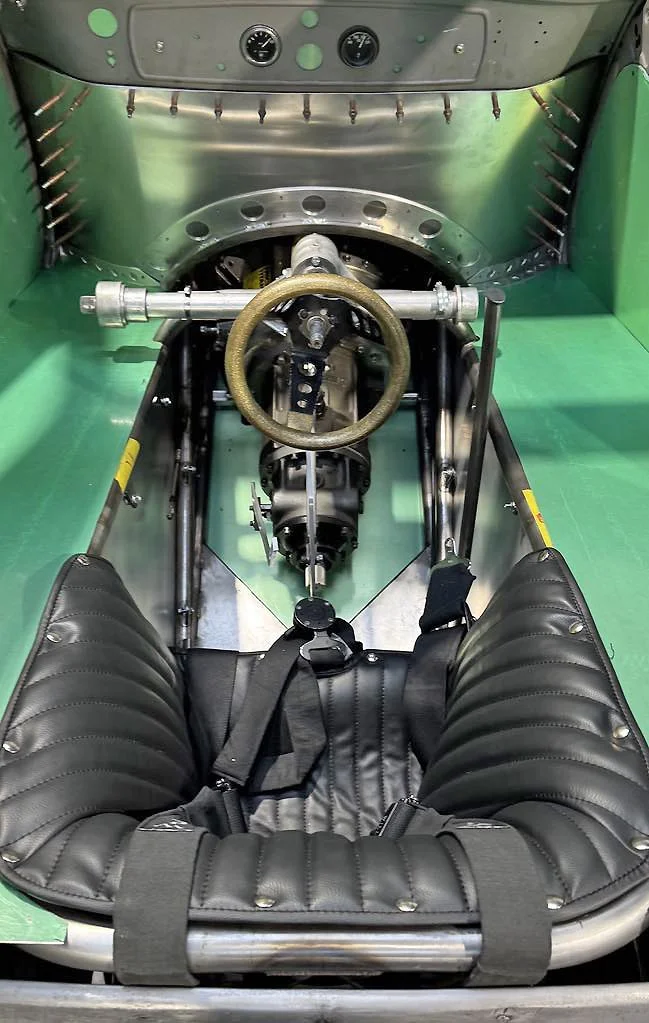
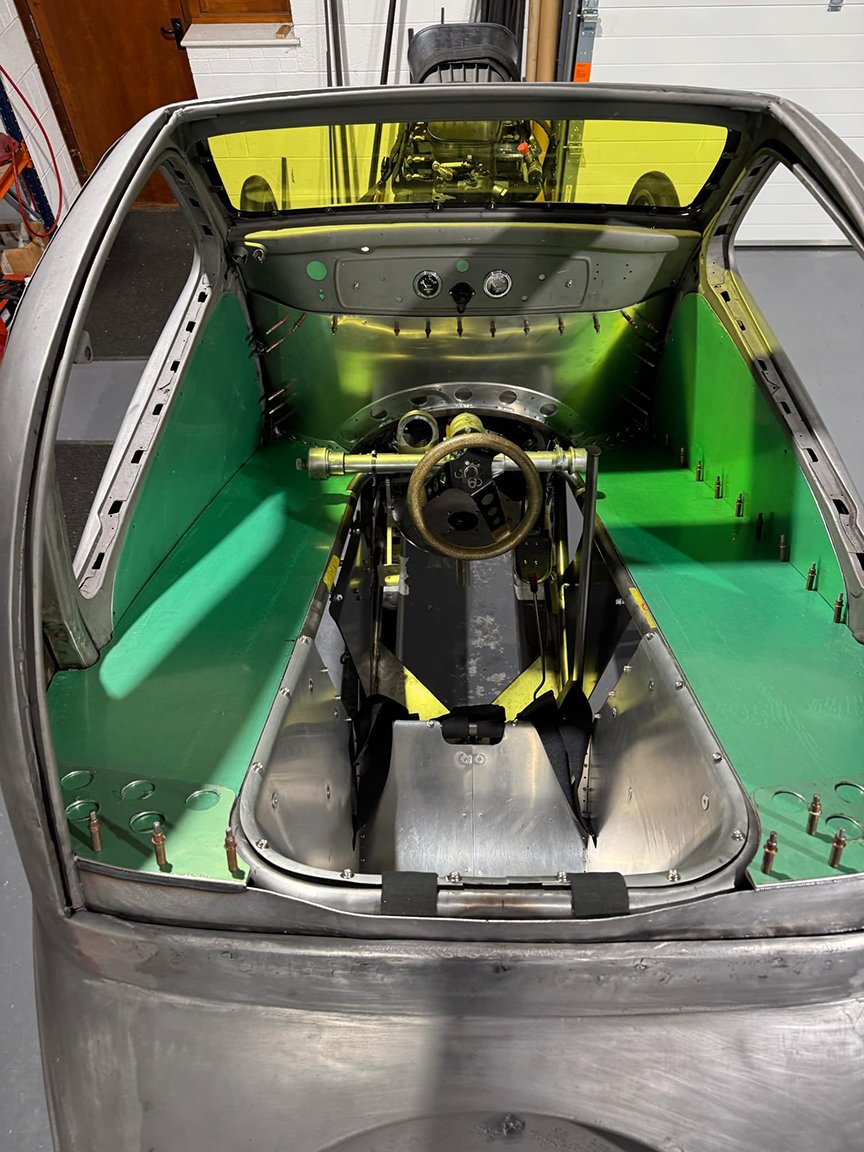
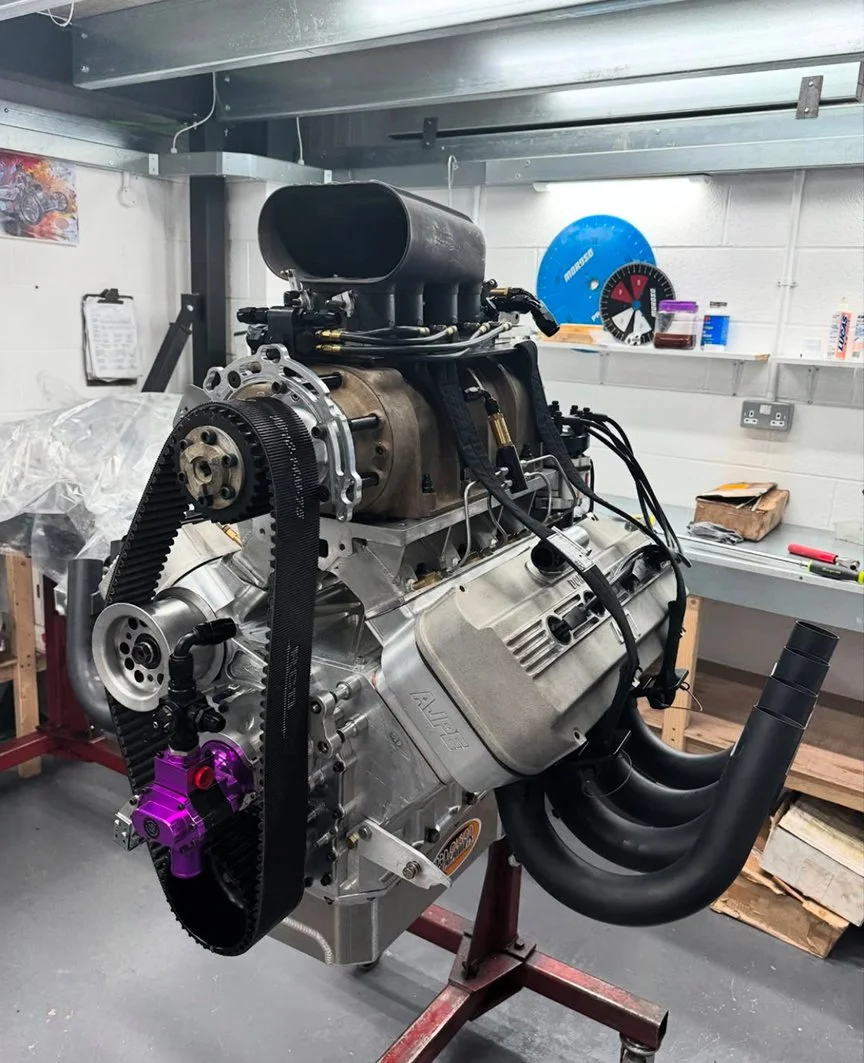
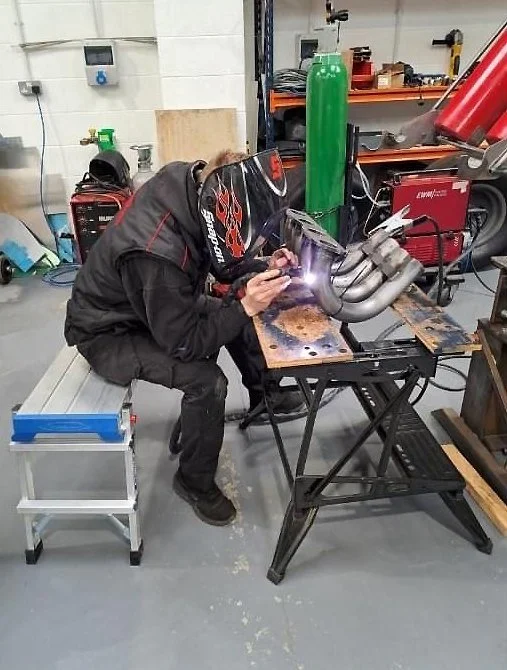
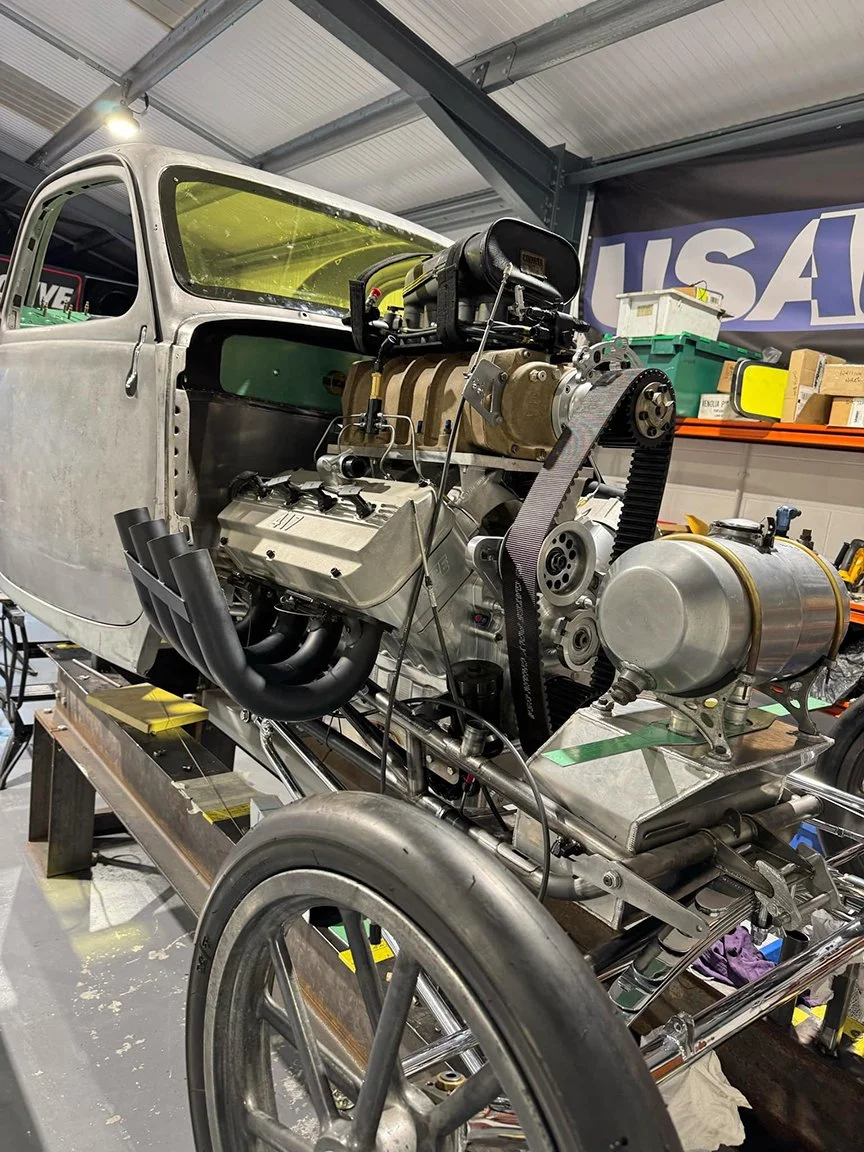
After one weekend of testing at Santa Pod’s Dragstalgia event in July, the first time a pair of OSCAR cars lined up together on the startline was at the Hot Rod Drags in September with ‘No Quarter’ running with the ‘High Spirits’ American Bantam of Bryan Whitfield and Ian Tubb. The performance was decent, the entertainment from both inside and outside the cars was immense. Roll on 2026!
BASIC SPECS:
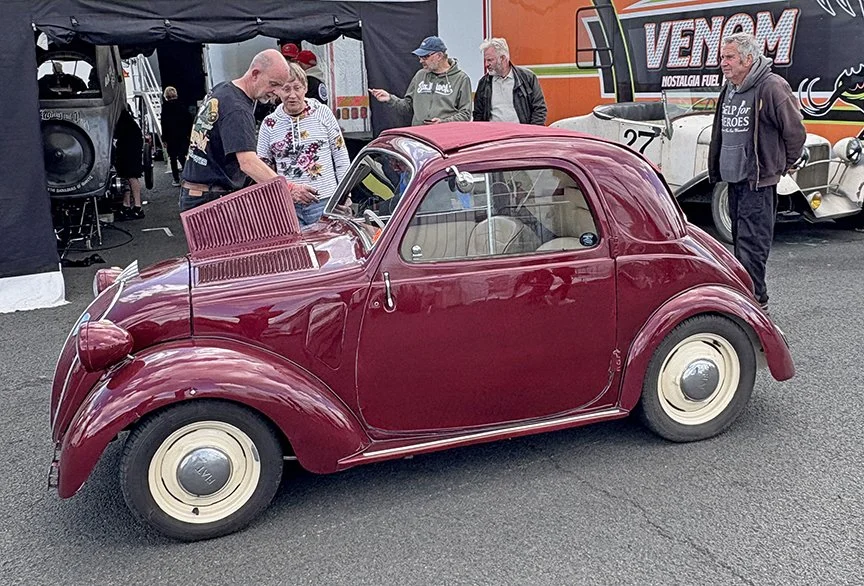
- 1937 steel body, extensively modified (compare to an original and find the differences!)
- 99-inch wheelbase 10.1 chassis to our own design
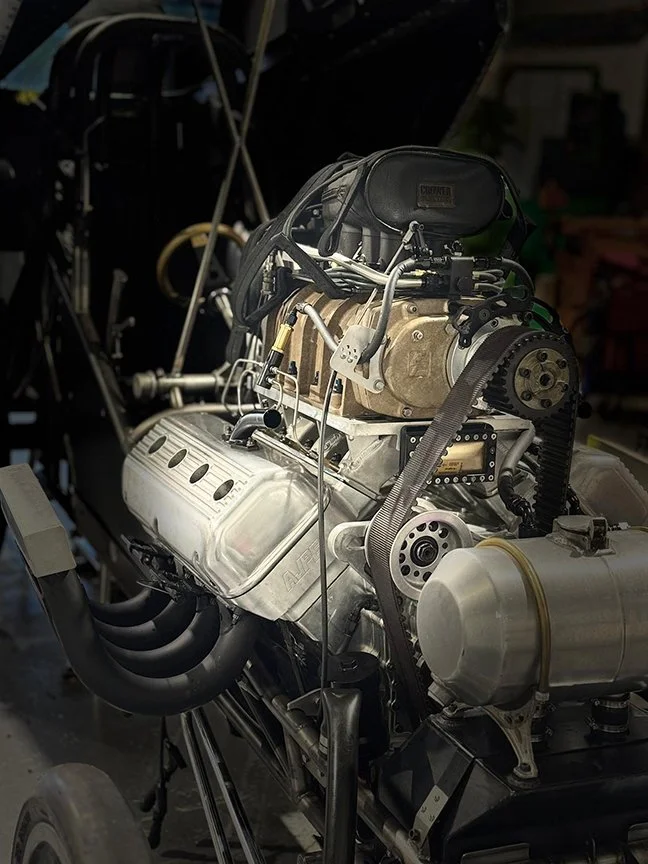
- 417 Rodeck Donovan – 17-inch crankshaft centerline, AJPE cylinder heads
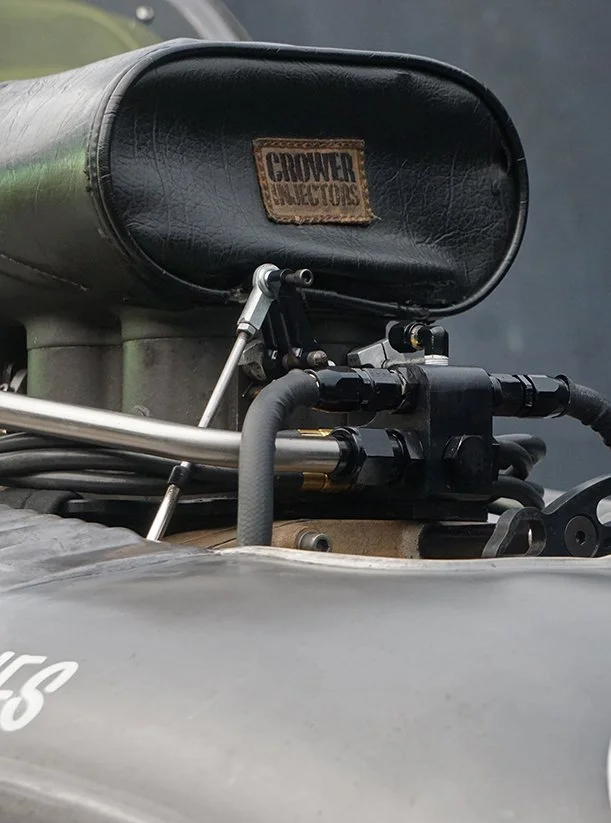
- 8.71 Pink blower with Crower injection
- FIE Mallory points ignition
- 2-speed Lenco behind Molinari clutch
- ARE and Halibrand wheels, 9-inch Ford rear
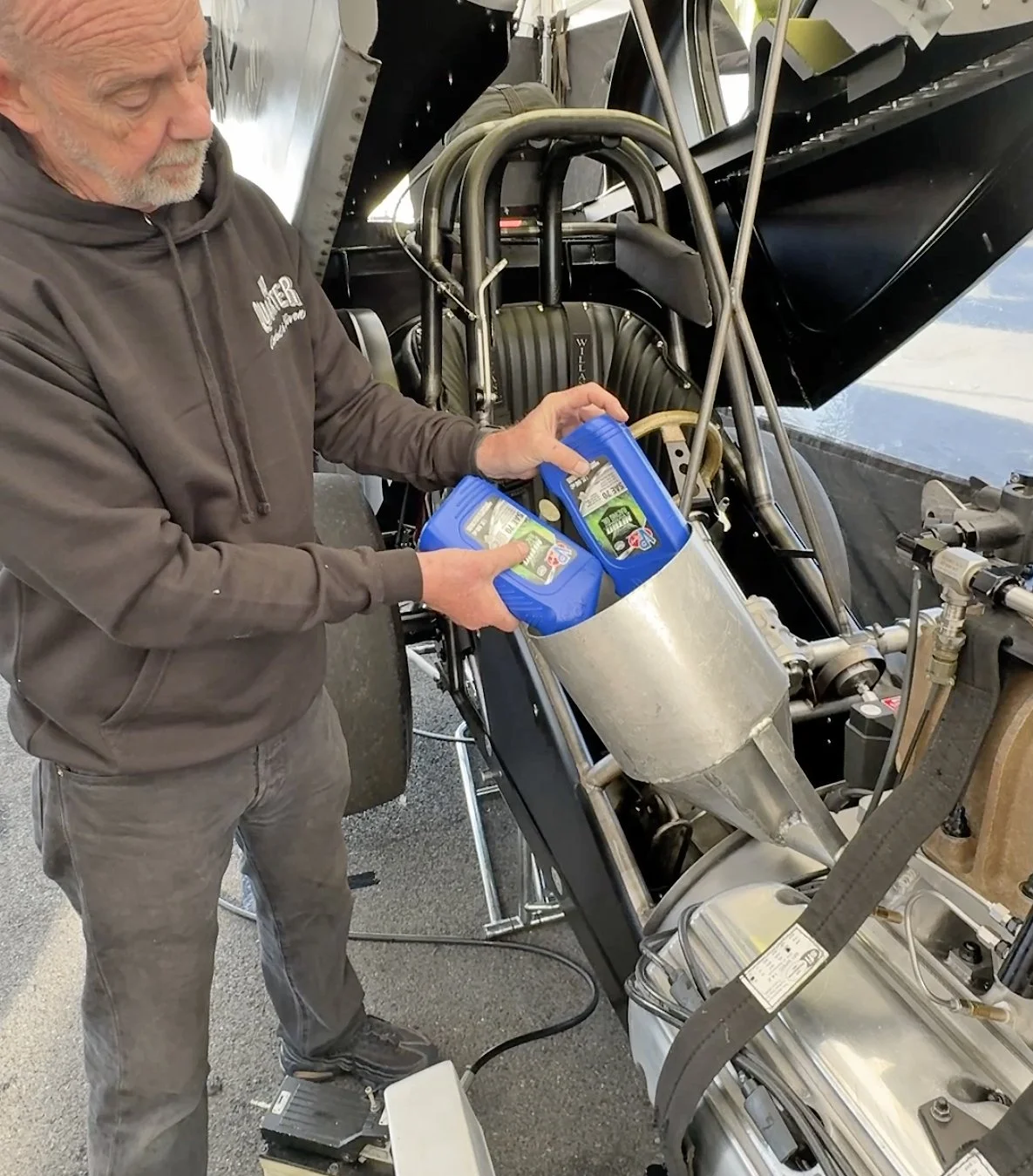
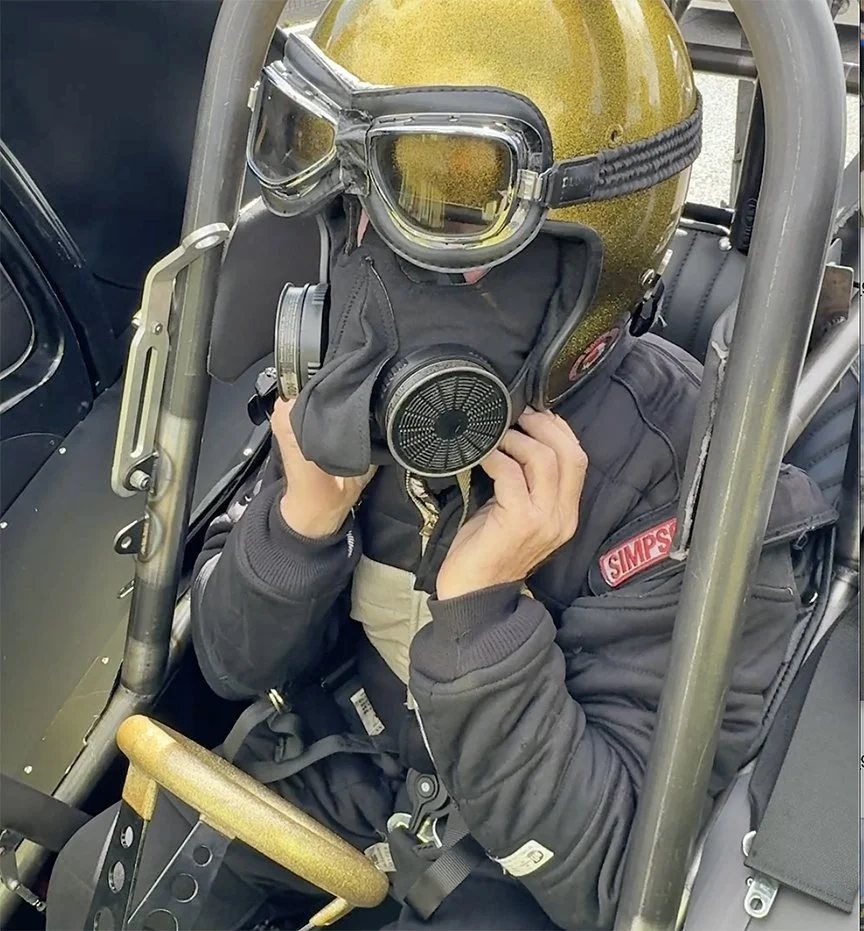
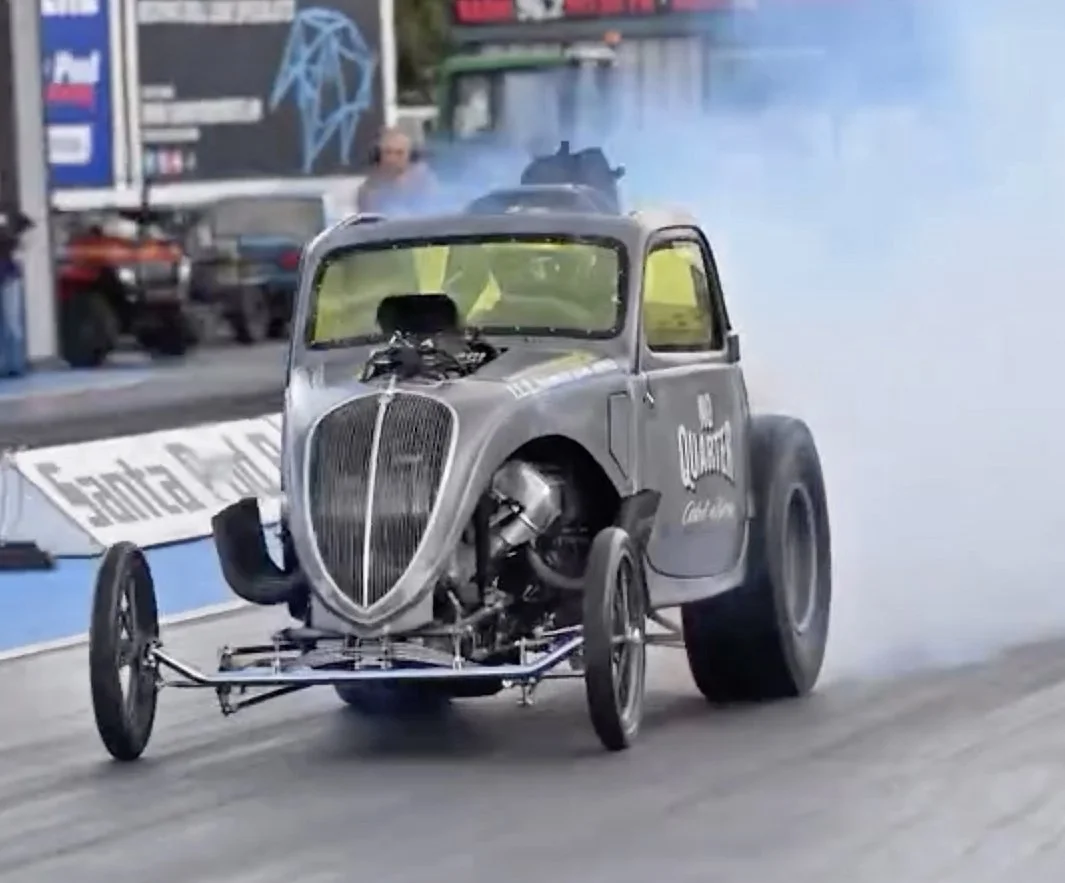
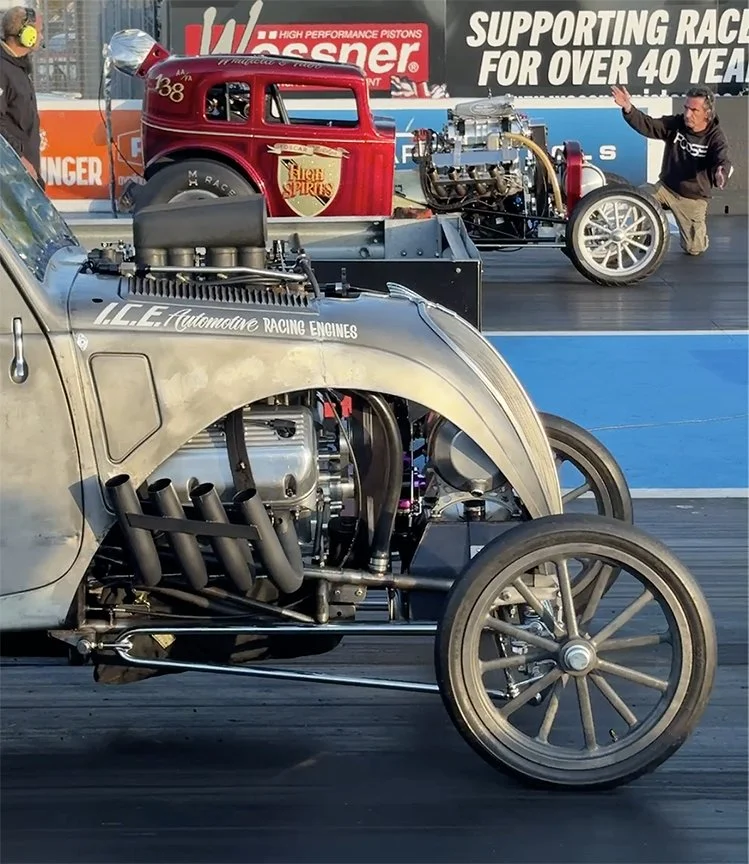
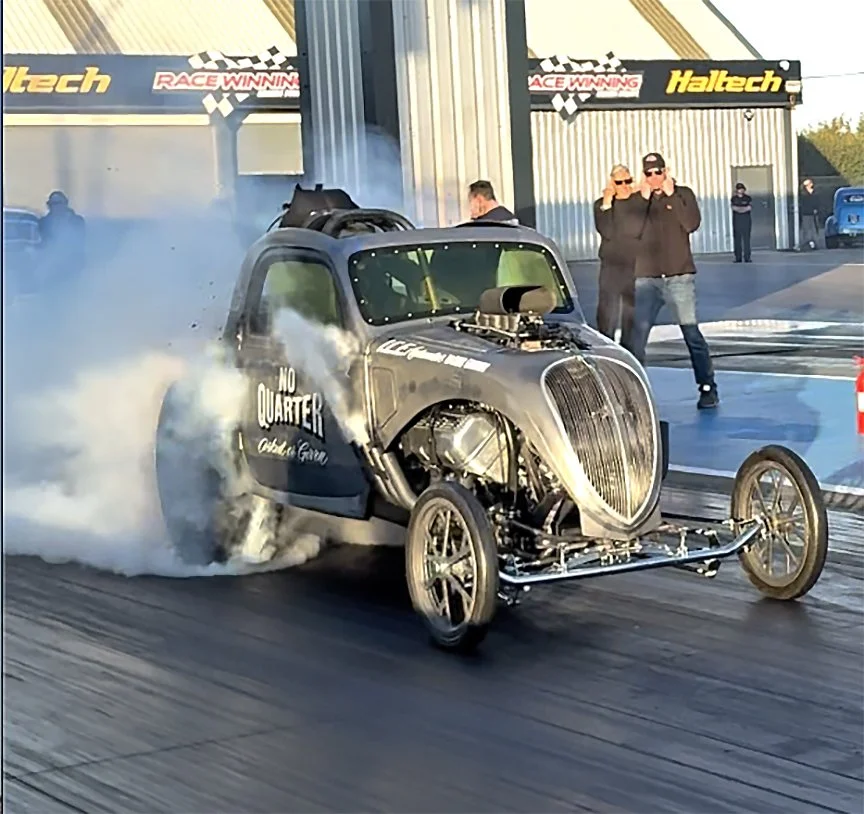
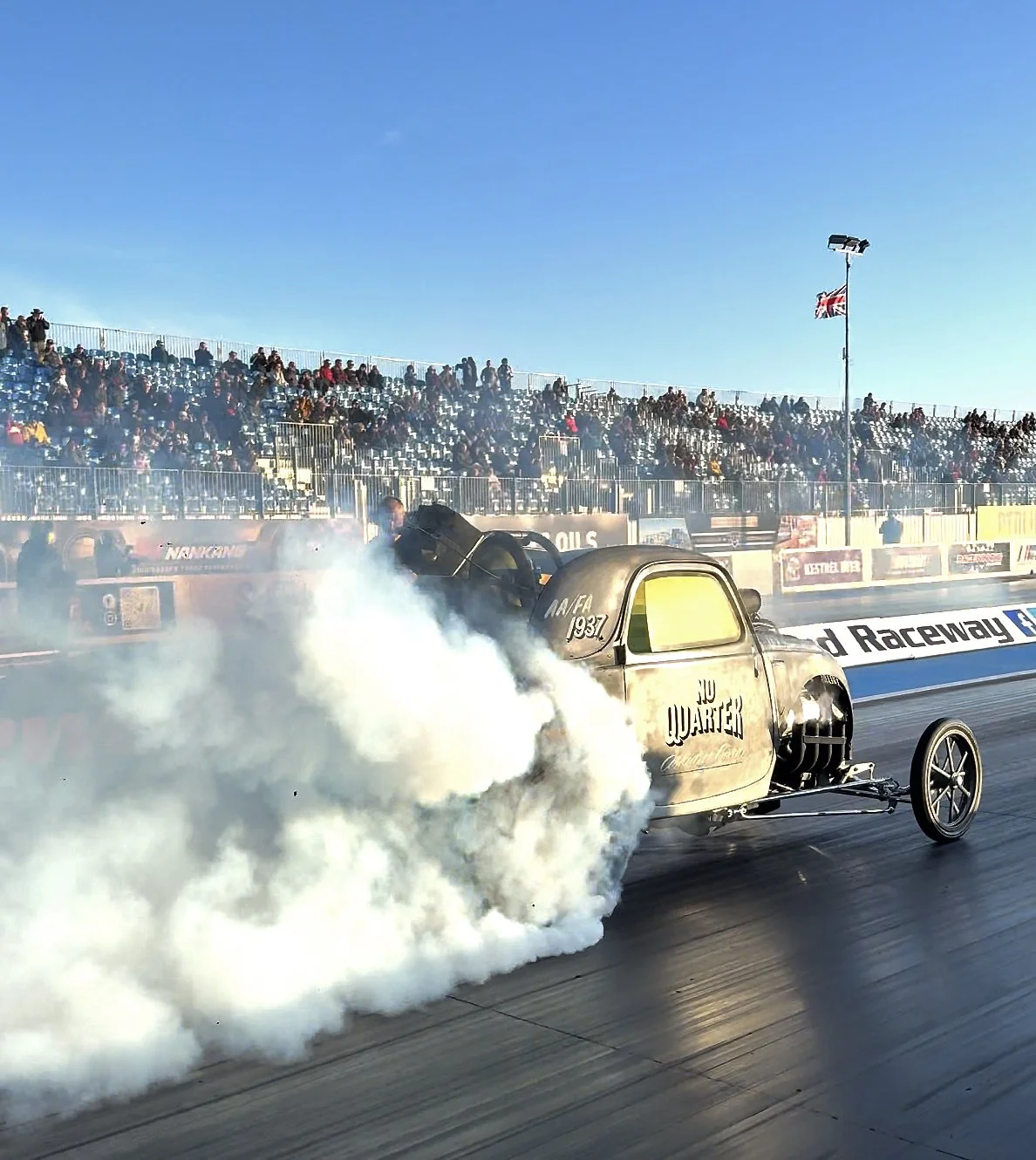
The car debuted at Santa Pod’s 2025 Dragstalgia and testing continued at the Hot Rod Drags where the car ran 8.57 @ 192 mph! That’s entertainment……!
So, after the accepted compromise of the ‘Havoc’ Bantam, did the Fiat live up to expectations and deliver the hoped for ‘sixties vibe’? Well, tracks, tyres and clutches have irreversibly advanced, but Ican say that at every level it has delivered so far. Over-powered, way too short, no aero assistance and an absolute joy to drive. A relatively cheap way to go nitro racing and more fun than could have been hoped for. The legend on the rear of the car reads ‘Standing on the Shoulders of Giants’ My sincere thanks to those sixties racers for the inspiration.
CONTACTS
1320 Mini: https://www.1320.co.uk
First Up Apparel: https://firstupapparel.com
Wayne Allman: http://www.theintergalacticcustomshop.com
I.C.E. Automotive Racing Engines: https://iceautomotive.co.uk
Neil Melliard: https://www.instagram.com/the_striper/?hl=en
Mick’s Paint: https://MicksPaint.com
Santa Pod Raceway: https://santapod.co.uk